ISSN: L 2992-6440
Vol. 1 No. 2 (2024): Revista Iberoamericana de Innovación Científica JATUAIDA ( julio- diciembre 2024)
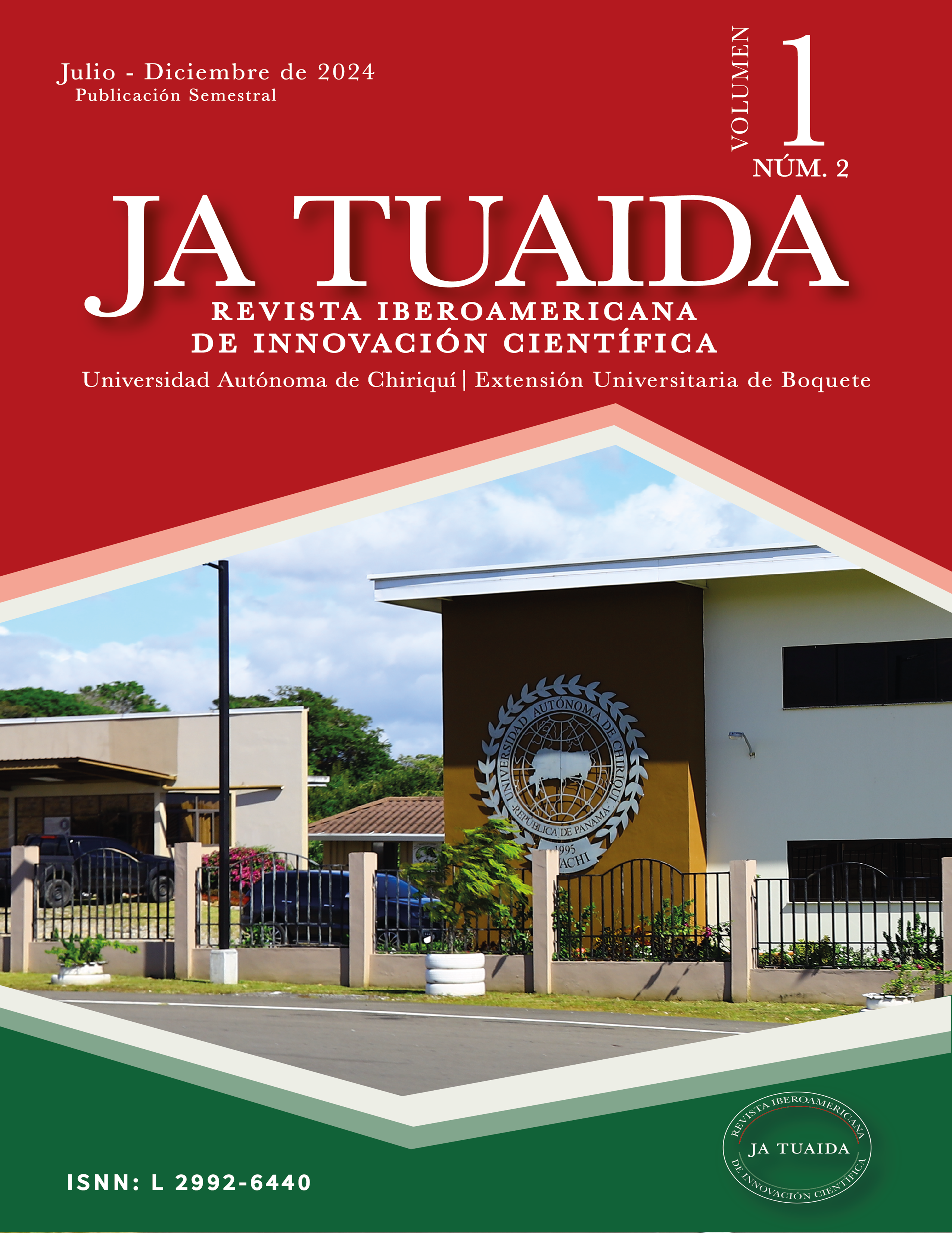
It is an honor for me, as Editor-in-Chief of the Ibero-American Journal of Scientific Innovation JATUAIDA, to present the second issue of our first volume. We reaffirm our commitment to excellence in research, scientific innovation, and making information accessible to all.
In this edition, we address crucial topics for educational and scientific development, highlighting educational inclusion through the use of virtual laboratories. The articles presented explore how these digital tools are transforming science education in both rural and urban contexts, facilitating access to high-quality educational resources and reducing the economic and geographic barriers that have historically limited many communities.
An essay included in this issue illustrates the impact of virtual laboratories on the educational inclusion of secondary and high school students in a rural institution. This work analyzes the advantages and disadvantages of virtual laboratories and how they can be a cost-effective and accessible alternative for institutions with infrastructure and resource limitations.
Another article examines the relationship between assertive communication and virtual teaching, revealing that such communication is crucial for the success of the teaching-learning process in virtual settings. It highlights the importance of teachers mastering this type of communication to interact effectively with students.
Additionally, a systematic review on social happiness as a foundation for public policy design is included. This work categorizes the variables interrelated with happiness, identifying the need for a multidimensional approach and the integration of subjective well-being into the governmental agenda.
The issue also addresses the social responsibility of rural teachers in Latin America, underscoring the challenges and opportunities faced by educators in rural contexts. This essay emphasizes the importance of integrating information and communication technologies (ICT) into rural education and the need for continuous training and access to technological resources.
A study on the presumption of paternity within Ecuador’s legal framework explores how this principle relates to the best interest of the child, highlighting its relevance in family relations and its impact on the protection of children’s rights.
We hope that the articles presented here will inspire you to contribute to our journal. We extend our gratitude to our Editorial Board, Scientific Committee, all authors, reviewers, and collaborators who have made this issue possible.
Sincerely,
Dr. Nivia Esther Gutiérrez-De Gracia
Editor-in-Chief
Published:
2024-07-31